Grupo Siroco
Your Boat Expert
Choose from our exclusive brands: Lagoon, Jeanneau, and Excess.
Browse through the thousands of boating products we have for you.
A professional technical team dedicated to ensuring that you always sail safely.
Sign up for our exclusive events and stay up to date on the latest news in the boating world.
Choose from our exclusive brands: Lagoon, Jeanneau, and Excess.
Browse through the thousands of boating products we have for you.
A professional technical team dedicated to ensuring that you always sail safely.
Sign up for our exclusive events and stay up to date on the latest news in the boating world.
Tips
HOW TO PREVENT BAD ODORS AND PROBLEMS IN THE TOILET
- TOILET AND BLACK WATER TANK MAINTENANCE -
A problem with the toilet or a persistent odor in the head can ruin a day of sailing.
Maintenance of the blackwater system is often neglected until something goes wrong. By 2026, with increasingly stringent environmental regulations regarding wastewater discharge, keeping the system running efficiently will no longer be just a best practice—it will become mandatory for those who make the sea their home.
Grupo Siroco
Your Boat Expert
The combination of salt water and urine causes calcium deposits to form, which harden like stone inside the pipes.
🔧 ACTION
Once a month, pour white vinegar or a biodegradable descaler into the toilet and let it sit. This helps maintain the diameter of the pipes and prevent valves from clogging.
💡 TIP
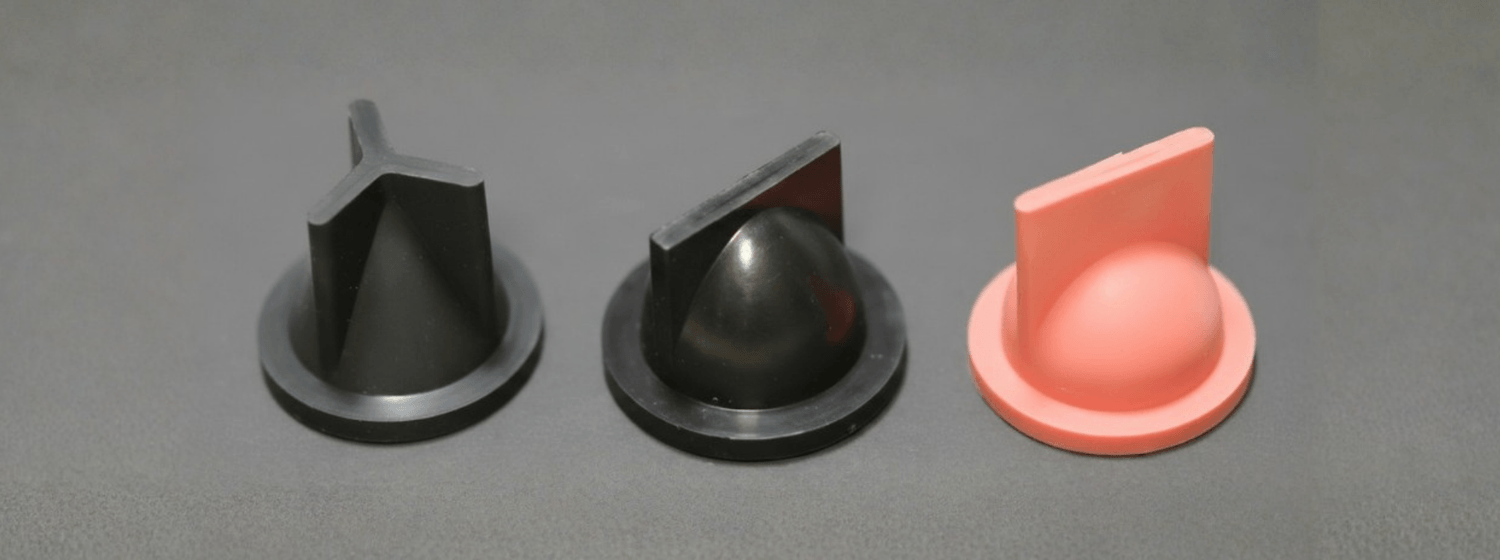
Never use undiluted bleach, as it dries out the rubber seals and damages the “duckbill” valves (joker valves).
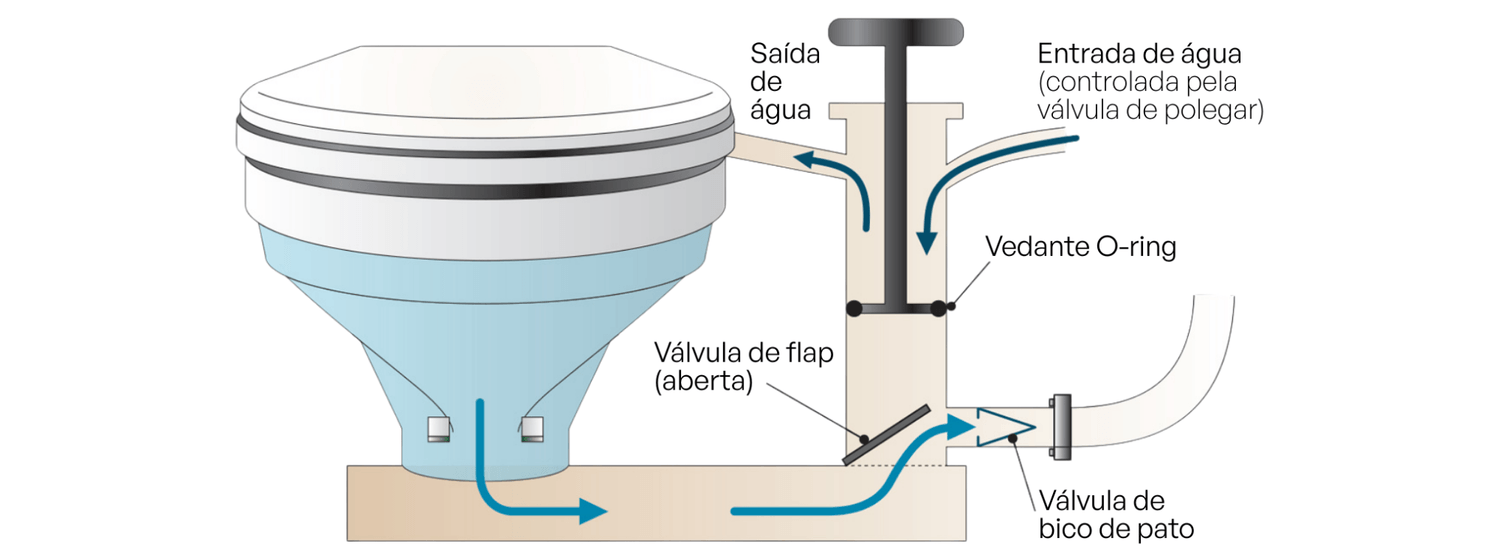
Most backflow problems—when water flows back into the toilet—are caused by wear and tear on the "duckbill" valve.
🔎 INSPECTION
If the water level at the bottom of the toilet rises after flushing, it’s a sign that this valve needs to be replaced.
🧴 LUBRICATION
Use lubricants specifically designed for marine toilets or a small amount of petroleum jelly. This helps keep the pump running smoothly and prevents premature wear of the seals.
The bad smell rarely comes from the tank itself, but rather from the pipes or the vent filter.
🚽 ACTIVATED CARBON FILTERS
Installing anti-odor filters can be a good way to prevent unpleasant odors from escaping outdoors when flushing the toilet. These filters should generally be replaced once a year.
🟢 BIOLOGICAL TREATMENT
Avoid harsh chemicals. Use enzymatic products—such as those from Yachticon or Thetford—that break down waste and toilet paper naturally and without odor.
Over time, sewer pipes can become permeable to odors.
👨🏻🔬 HOW TO TEST?
Rub a cloth dampened with hot water over a section of the pipe and smell it. If the cloth smells bad, the pipe is permeable and needs to be replaced with high-quality, odor-resistant piping, usually made of butyl.
Prevention starts with educating everyone on board.
🧻 TOILET PAPER
It is one of the leading causes of clogs in duckbill valves and electric toilets. We recommend that you do not flush toilet paper down the toilet, as this can clog valves and even block the pipes in the black water tanks. Instead, dispose of the toilet paper in a trash can.
🍽️ “IF IT WASN’T DIGESTED, IT DOESN’T GO IN THE TOILET”
This simple rule prevents 90% of clogs caused by wipes, bandages, or hair.
If the boat is going to be out of use for more than a week, the saltwater trapped in the pipes can cause rot, producing the characteristic "rotten egg" smell (hydrogen sulfide) the next time the toilet is used.
🔧 ACTION
Before leaving the boat, flush the toilet with plenty of fresh water. If possible, close the bilge valve and run a final flush with fresh water and a small amount of biodegradable disinfectant. This prevents seawater from stagnating in the pipes.
Don't forget that the system doesn't end at the pump. The water inlet and outlet valves (through-hull fittings) are critical to the boat's safety.
💡 TIP
Turn the shut-off valves at least once a month to prevent them from seizing up due to marine growth. A stuck valve in an emergency can have disastrous consequences.
DID YOU KNOW?
Is the Portuguese marina network expanding its capacity to handle sewage? Dumping sewage into coastal or harbor waters is not only a serious environmental violation but also damages the reputation of the boating community. Be a responsible boater.
USEFUL TIP
For responsible waste management in Portugal, consult the DGRM’s guide to best practices on marine pollution or use the black water pumping stations available at major marinas, such as Cascais Marina or Vilamoura Marina.
Subscribe to our newsletter
Tips
Tips
Tips
Tips
Tips
Tips