Grupo Siroco
Your Boat Expert
Choose from our exclusive brands: Lagoon, Jeanneau, and Excess.
Browse through the thousands of boating products we have for you.
A professional technical team dedicated to ensuring that you always sail safely.
Sign up for our exclusive events and stay up to date on the latest news in the boating world.
Tips
Sailing at night, with the autopilot engaged and the radar scanning the horizon, gives you a sense of control. But at sea, not everything that poses a risk appears on the screen. A small vessel without AIS, a kayak, a person in the water, a drifting buoy, or a half-submerged container can appear in your path without warning.
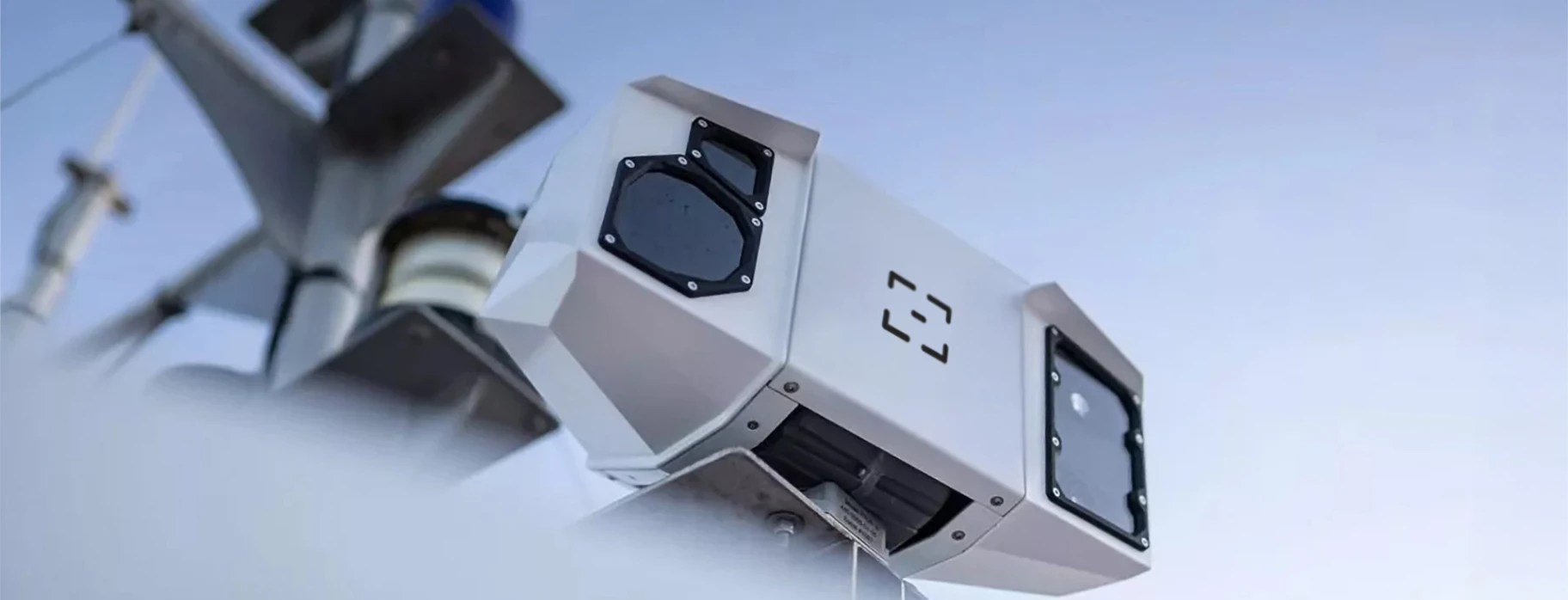
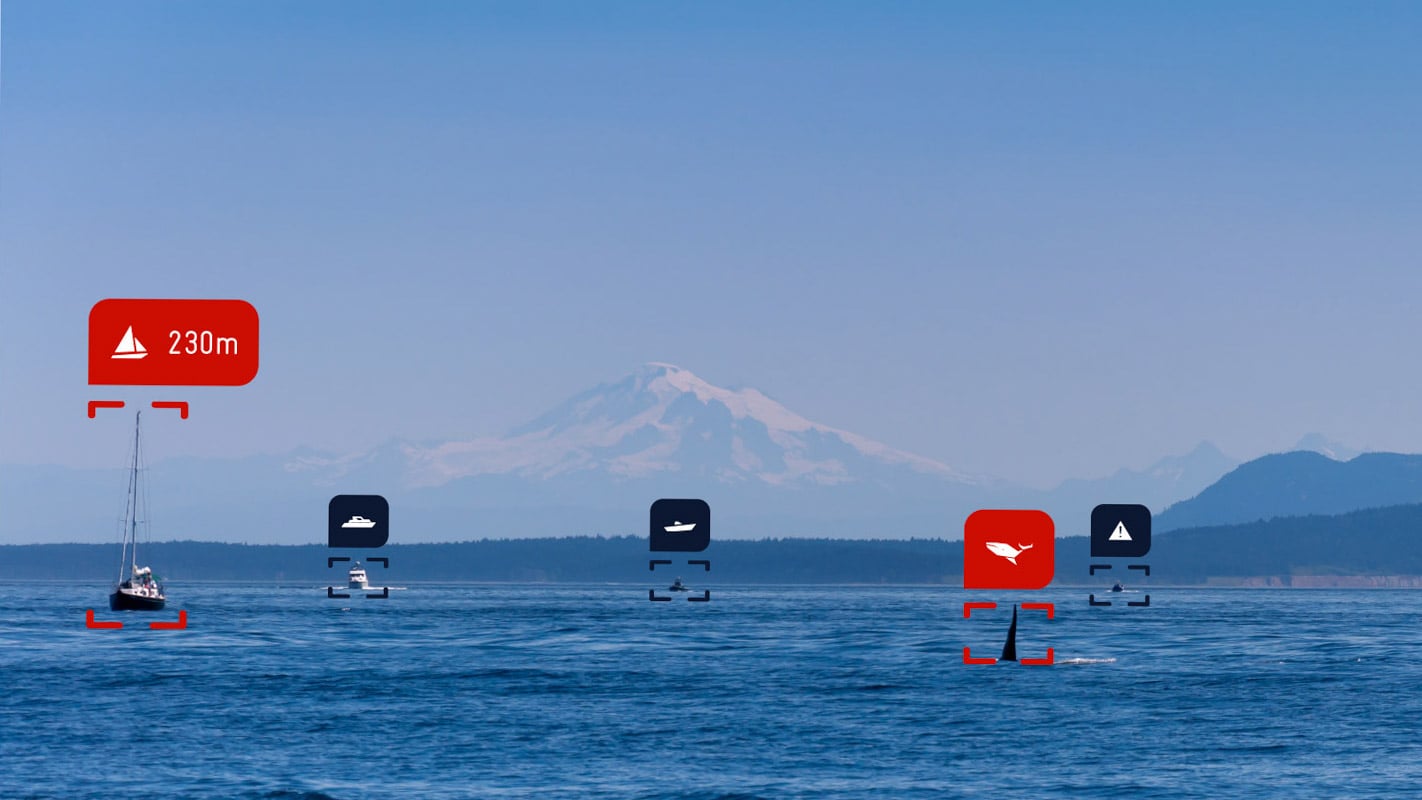
SEA.AI was created to address this gap. It combines optical and thermal cameras with artificial intelligence to continuously monitor the sea surface, day and night, and alerts the crew when something significant appears in the path.
Grupo Siroco
Your Boat Expert
Radar and AIS are essential on board, and will continue to be so. But each has known limitations.
AIS only shows vessels that are transmitting their signal. Many small recreational boats, kayaks, and surfboards do not transmit, and a drifting object never will.
Radar is good at detecting the coastline, ships, and weather systems. It has more difficulty with small objects, those low in the water, or those made of materials that reflect the signal poorly—especially in rough seas, where the echo from the waves gets confused with that of the target.
It is in the gray area between these two systems that many of the real risks of recreational boating lie.
SEA.AI combines low-light cameras and thermal cameras with an artificial intelligence system trained specifically for the maritime environment, using millions of images collected at sea since 2018.
The process takes place in four steps, in less than a second:
Capture: The optical and thermal cameras record the image in real time.
Detection: The artificial intelligence isolates objects on the water’s surface.
Classification: The system identifies the type of object.
Alert: The crew receives an immediate warning.
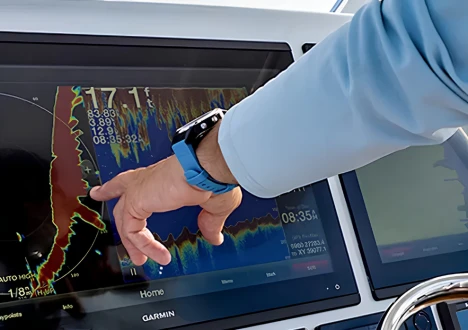
Processing is done onboard, so the system works without an internet connection. It can also be combined with AIS and radar data, adding a trajectory prediction for the detected objects. On recreational models, detections appear on the navigation screens you already have on board, without the need for additional screens.
What SEA.AI Detects
• Vessels without AIS or lights
• People in the water
• Kayaks, RIBs, and other small vessels
• Buoys and floating objects
• Containers and other drifting obstacles
• Marine mammals, such as whales
The technology has earned recognition in the industry: in October 2026, SEA.AI received an award at the Trophées Innovation Océan for its application of computer vision to navigation safety.
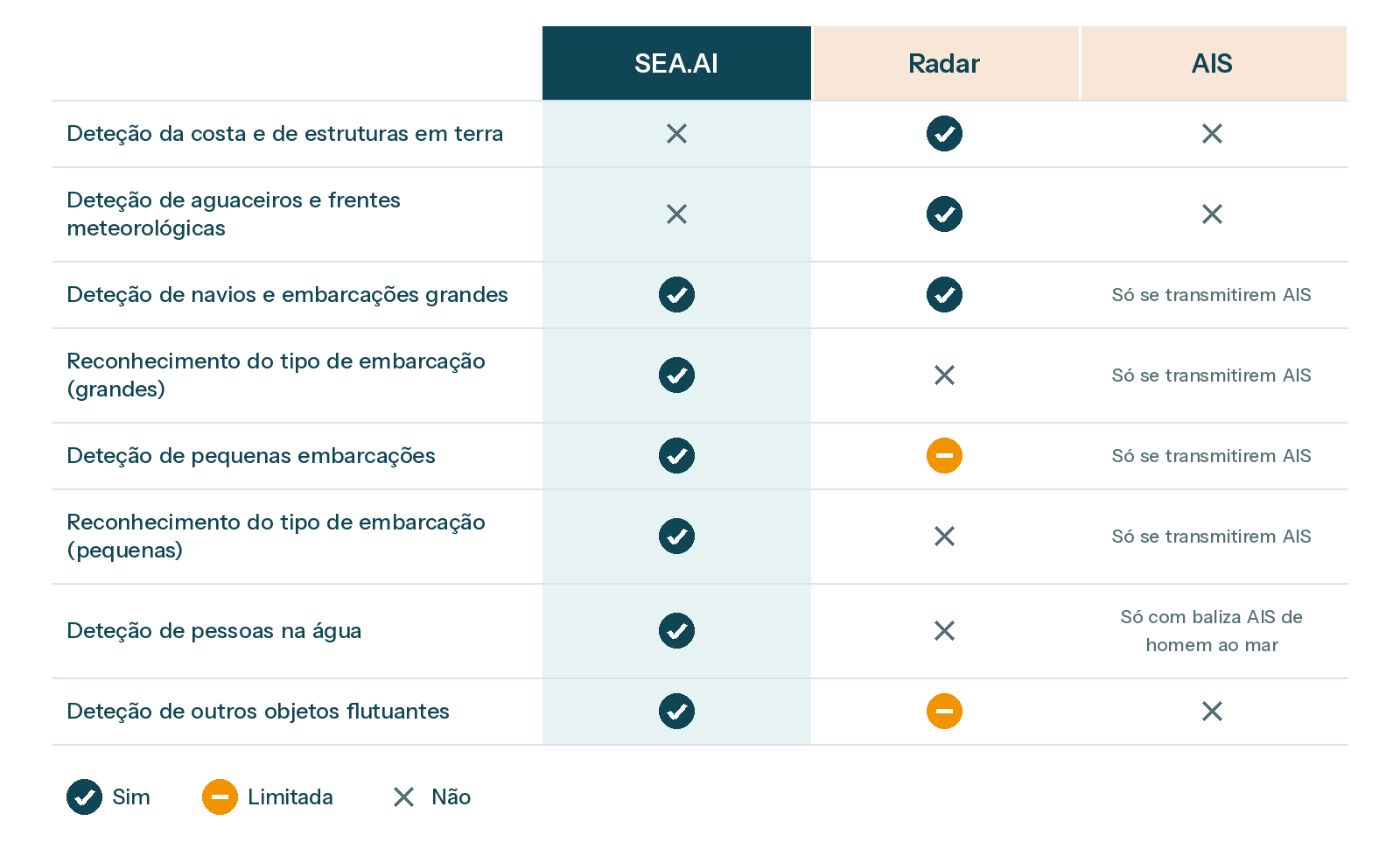
Each system sees things differently. The table shows where each one excels and where it has limitations.
"Limited" means that the radar can detect the object, but not reliably: detection depends on the object’s size, material, and sea conditions. In SEA.AI, detection assumes that the object is within the field of view and range of the installed configuration.
No single system covers everything on its own. Radar remains indispensable for coastal monitoring and meteorology; SEA.AI fills in what radar and AIS cannot reliably show.
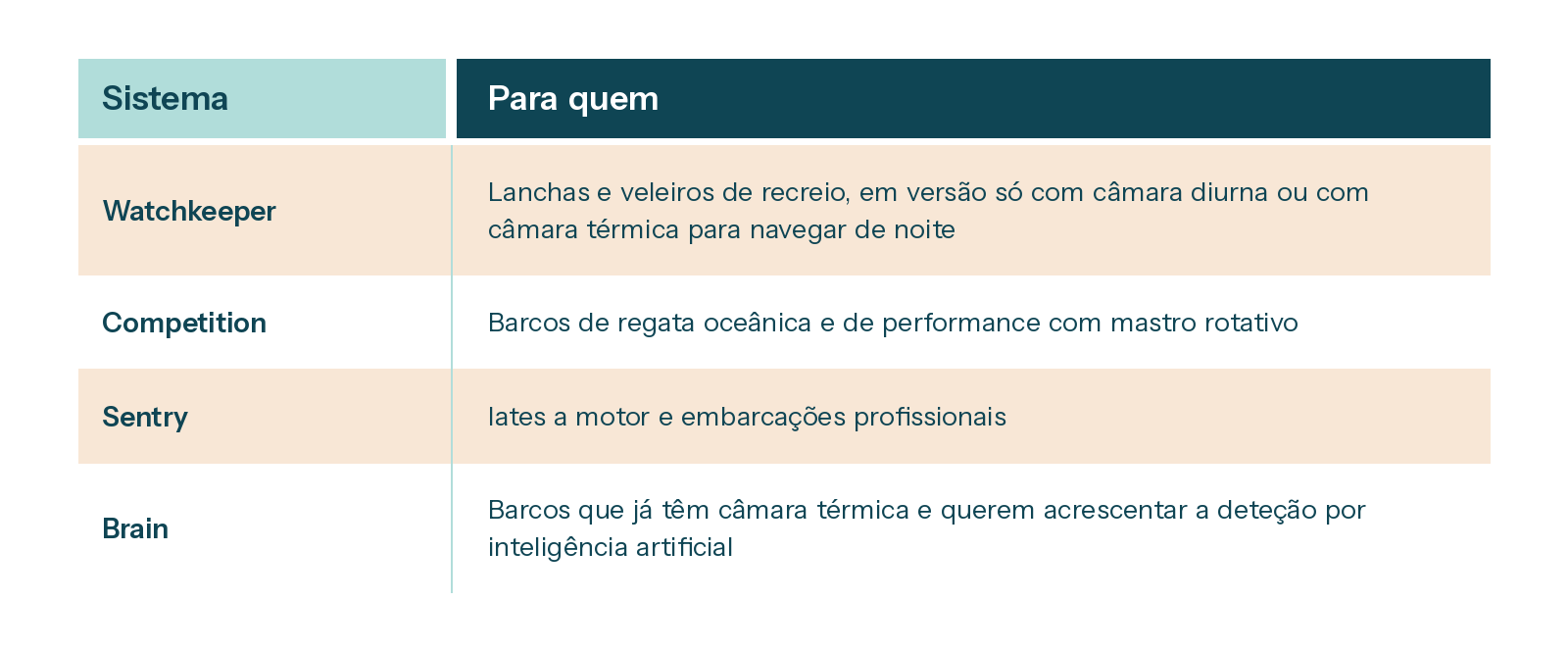
The SEA.AI product line features systems designed for different types of navigation.
With the Watchkeeper, the choice of configuration depends mainly on when and how you sail. For daytime coastal trips, the version with a daytime camera may be sufficient. For those who sail at dusk, at night, or on longer crossings, the thermal camera makes all the difference: the higher the resolution, the greater the detection range, and, in some versions, the wider the field of view. The configurations differ for motorboats, which require detection range at higher speeds, and for sailboats, which benefit from a wider field of view.
It’s also important to know that the system operates with a software license, available for 1 year, 3 years, or a lifetime, with pricing that varies depending on the configuration. We’ll explain these options to you before you make any decision.
SEA.AI does not replace radar, AIS, or the on-board lookout. It does not detect the coastline or weather fronts, and the decision always rests with the person at the helm. What it adds is constant visual surveillance that does not tire after hours on the job or lose detail at dusk.
More information, more time to react, and greater safety on board.
Grupo Siroco is the exclusive representative of SEA.AI in Portugal. Our technical team guides you through the entire process: we help you choose the right system and configuration for your boat and your type of sailing, confirm compatibility with the navigation displays you already have, install and configure the system, and provide maintenance.
Want to find out which solution makes sense for your boat?
Subscribe to our newsletter
If you don't have an account yet, you can create one now.
On November 13 and 14, 2026, Jeanneau will open the doors of its factory in Cholet, France, for the Jeanneau Private Days, an exclusive event that invites boating enthusiasts to get an up-close look at the craftsmanship, experience, and innovation that set the brand apart.