Grupo Siroco
Your Boat Expert
Choose from our exclusive brands: Lagoon, Jeanneau, and Excess.
Browse through the thousands of boating products we have for you.
A professional technical team dedicated to ensuring that you always sail safely.
Sign up for our exclusive events and stay up to date on the latest news in the boating world.
Tips
Range, power, batteries, and costs.
Grupo Siroco
Your Boat Expert
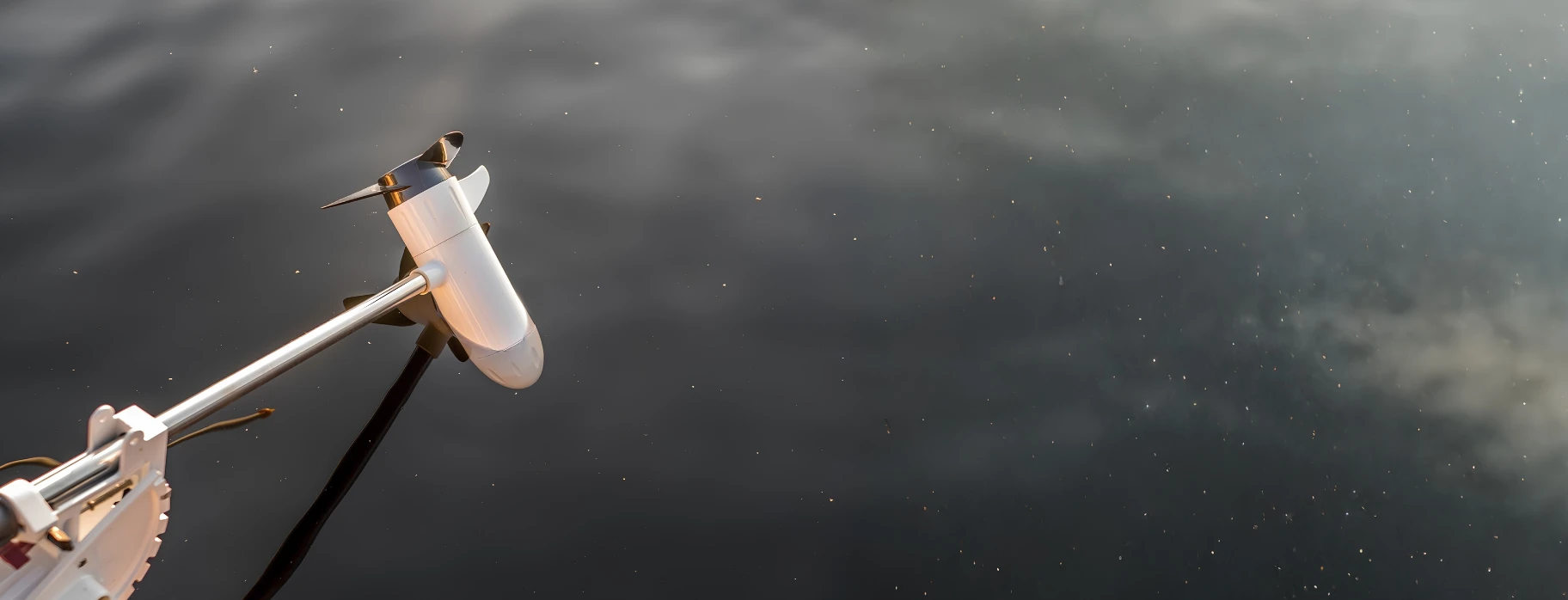
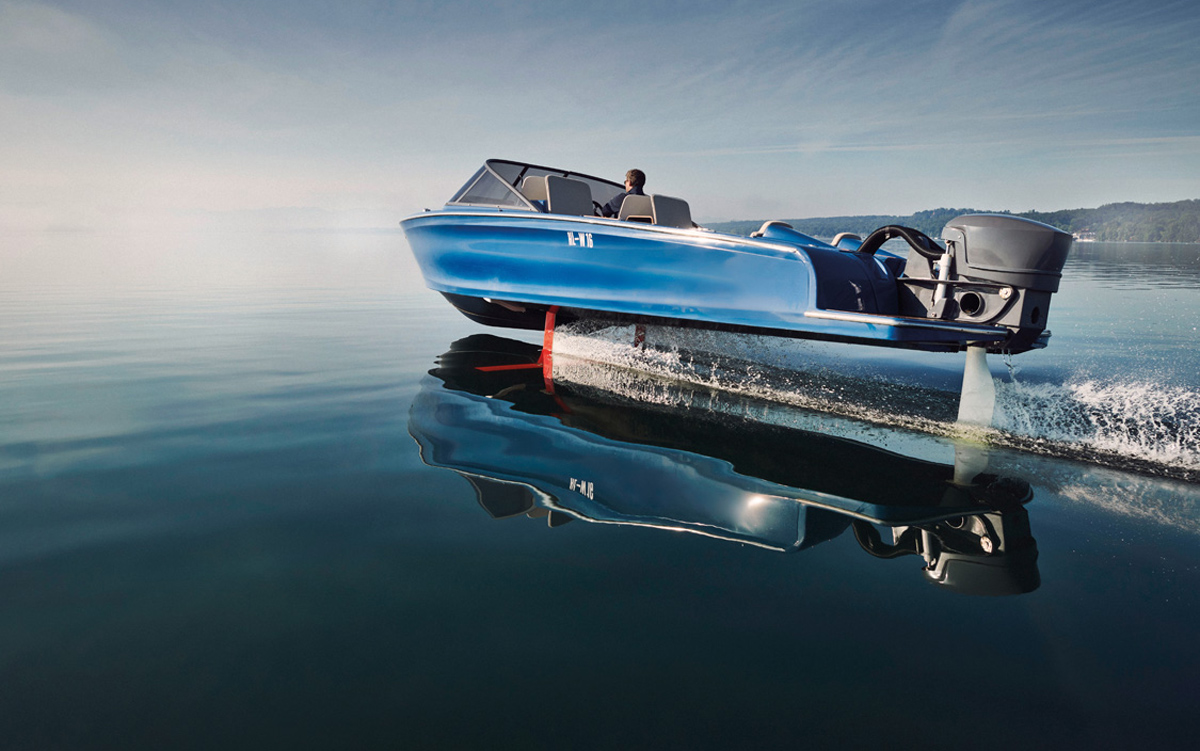
Electric propulsion is already part of the conversation about the future of boating, but it’s also starting to become part of the present.
Electric motors for boats are becoming increasingly efficient and quiet, and can be an attractive solution for certain applications. But is an electric motor suitable for any boat?
The answer depends mainly on the boat, its intended use, and the desired range.
The first difference anyone notices is the silence.
An electric motor doesn’t produce the same noise and vibration as an internal combustion engine. For those who sail in sheltered waters, frequently enter and exit a marina, or use the motor only for short periods, this difference can be quite significant.
There are also fewer moving mechanical parts, and fuel consumption is not the same.
But there is one fundamental difference: with a conventional engine, you can refuel in just a few minutes. With an electric system, the range is directly related to the capacity of the batteries and the ability to recharge them.
This is where the real issue with electric propulsion begins.
When looking for an electric motor, it's easy to focus solely on power.
But power and range are not the same thing.
Put simply, power determines the motor’s ability to propel the boat. Range depends on the energy stored in the batteries, the motor’s power consumption, and sailing conditions.
A small, lightweight boat used in sheltered waters can operate quite comfortably with a relatively compact system.
On the other hand, a heavy boat sailing against the wind or current will require much more energy to maintain the same speed.
Therefore, a question like “How long does the battery last?” does not have a universal answer.
You must consider the boat’s weight, desired speed, sea conditions, wind, current, power consumption, and battery capacity.
There are applications where electric propulsion can be particularly appealing.
Small vessels, auxiliary boats, boats used in inland or coastal waters, and vessels making short trips are some examples.
It can also be useful as an auxiliary system on a sailboat. In certain situations, an electric motor can allow for small maneuvers, such as entering a marina or leaving an anchorage, without having to use an internal combustion engine.
Quiet operation is another important advantage. In places where the experience of being on the water is an essential part of the trip, reducing noise and vibration can completely change the onboard experience.
For long crossings or uses that require many continuous hours of propulsion, the analysis naturally becomes more complex.
We will likely see more and more electric solutions in the boating industry, but that doesn’t mean this technology is the right choice for all boats.
Advances in batteries and propulsion systems have made it possible to increase the range and improve the performance of electric motors. However, batteries remain one of the most important factors—and also one of the biggest contributors to the weight and cost of an installation.
Therefore, the choice of an electric motor should not be based solely on the advertised power output. It is necessary to consider the big picture: the boat’s weight and characteristics, desired speed, typical use, required range, battery capacity, and charging options.
The investment must also be analyzed as a whole. In addition to the motor, you must consider the batteries, charger, and other components of the system. Depending on how the boat is used, an electric solution can offer significant advantages in terms of comfort, quiet operation, maintenance, and operating costs.
Ultimately, there is no one-size-fits-all electric solution. The system suitable for a small boat used in sheltered waters will be very different from that required for a larger vessel or for extended voyages lasting several hours.
That is why, before proceeding with the installation of an electric motor, it is important to assess the vessel’s specific needs and determine which configuration offers the best balance between power, range, weight, and investment.
Grupo Siroco's technical team can assist with this process, from analyzing the vessel’s characteristics to selecting and sizing the propulsion solution. With experience in the nautical sector, this technical guidance helps identify a solution tailored to the boat and its intended use, making the transition to electric propulsion safer, more efficient, and better suited to each customer’s needs.
It’s about more than simply choosing a motor—it’s about choosing the right solution for sailing.
Subscribe to our newsletter
Tips
Tips
Tips
Tips
Tips
Tips
If you don't have an account yet, you can create one now.
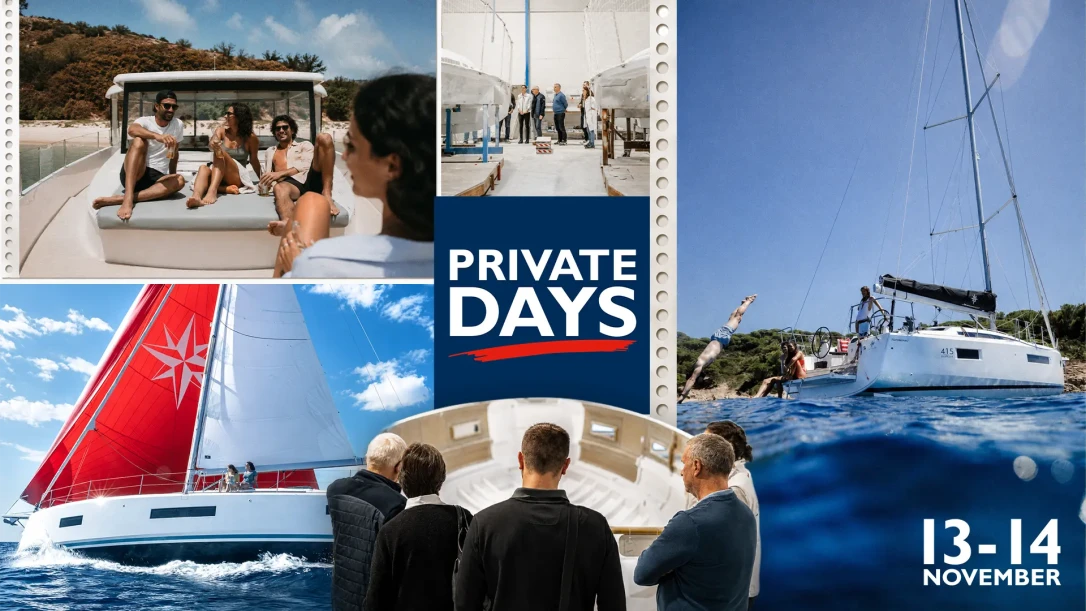
On November 13 and 14, 2026, Jeanneau will open the doors of its factory in Cholet, France, for the Jeanneau Private Days, an exclusive event that invites boating enthusiasts to get an up-close look at the craftsmanship, experience, and innovation that set the brand apart.