Grupo Siroco
Your Boat Expert
Choose from our exclusive brands: Lagoon, Jeanneau, and Excess.
Browse through the thousands of boating products we have for you.
A professional technical team dedicated to ensuring that you always sail safely.
Sign up for our exclusive events and stay up to date on the latest news in the boating world.
Choose from our exclusive brands: Lagoon, Jeanneau, and Excess.
Browse through the thousands of boating products we have for you.
A professional technical team dedicated to ensuring that you always sail safely.
Sign up for our exclusive events and stay up to date on the latest news in the boating world.
Tips
Before putting your boat on the market, start by giving it a thorough cleaning and organizing all the equipment and documents. Check the condition of the engine, upholstery, paint, and safety equipment - minor repairs can increase its value. A clean, well-maintained boat that’s been properly serviced inspires confidence and sells faster
Grupo Siroco
Your Boat Expert
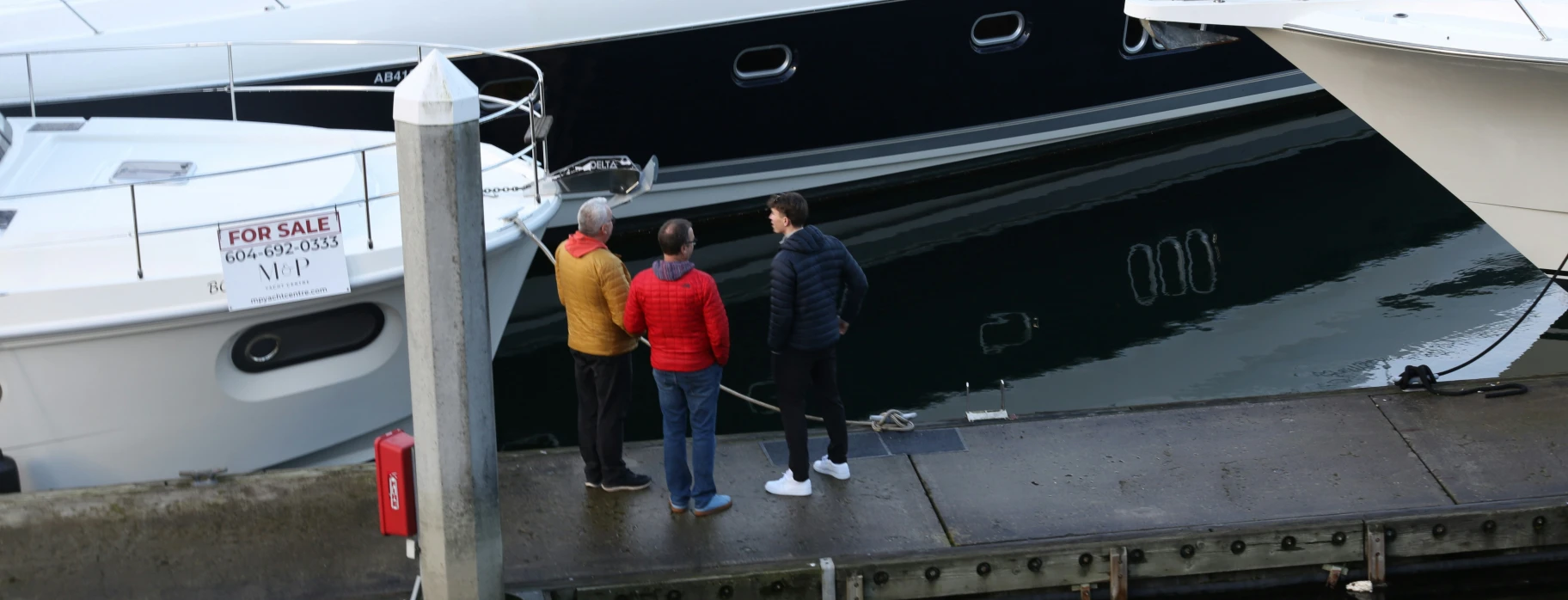
Preparing your boat for sale is key to achieving a faster sale, with fewer problems, and usually at a higher price. As a seller, you should prepare the boat before the sale to ensure it’s in the best possible condition—clean and organized. A well-maintained boat will be much more appealing to a buyer and will help you sell it more quickly. Here are a few steps to help you prepare your boat before putting it up for sale.
EXTERIOR AND INTERIOR CLEANING
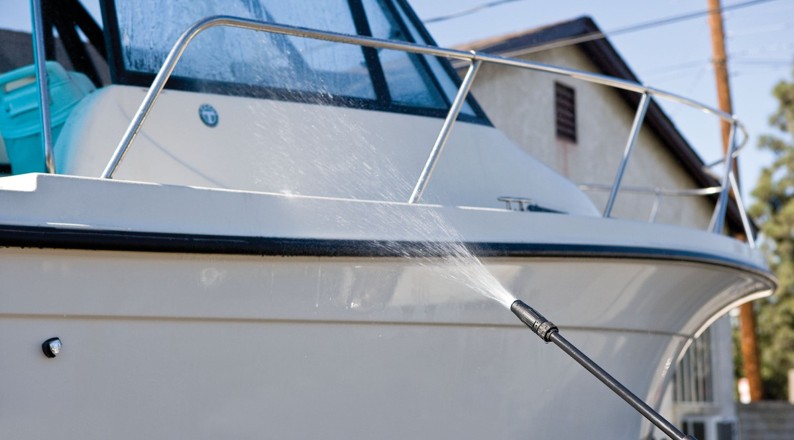
If there’s one thing more important than anything else, it’s keeping your boat clean. A clean boat gives the buyer the impression that it’s well-maintained and well-used. A dirty boat always gives the opposite impression. Therefore, it is very important that, before putting it up for sale, you give the exterior a thorough wash, cleaning all areas very well, including the deck, cockpit, railings, anchor area, etc. It’s also important to empty all storage compartments to clean and reorganize all equipment. If necessary, polishing the hull is always a good idea. The same applies to the interior: a thorough cleaning should be done, without forgetting the inside of the cabinets, the storage compartments under the seats, and even under the floorboards. It’s important to make sure there are no traces of water (from washing or minor leaks) under the storage compartments. It’s essential that, during the sales period, you maintain a regular cleaning routine for the boat to keep it in impeccable condition during viewings.
Bathrooms
One of the most unpleasant odors on boats is caused by stagnant saltwater in one or more toilets. This water usually develops a very strong odor after a few days. Make sure the toilet is filled with fresh water and that the holding tank is empty and clean.
ENGINE AND ENGINE ROOM
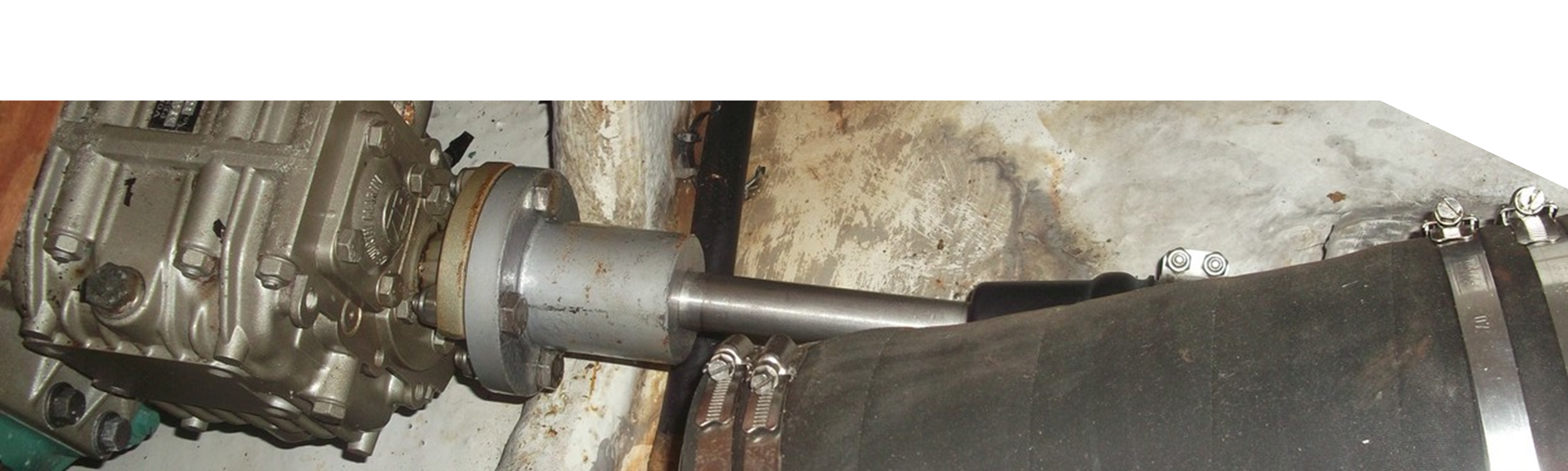
Whether it’s a sailboat or a motorboat, all buyers will want to inspect the engine. Keeping the engine and engine compartment clean is essential. Be sure to clean the entire area under the engine of any oil or water. Fix any small leaks. Sand and paint any parts of the engine that may have rust or corrosion. If possible, have the engine serviced.
BILGE
The bilge is an important area on any boat, as this is where all the water from the boat drains. It’s usually a dirty area. Clean this area of water and dirt regularly. Make sure the bilge pump is working.
TEAK
Teak is one of the elements that beautifies your boat and makes it stand out. Unfortunately, it also requires a lot of maintenance. Clean all teak with a broom, water, and a suitable detergent (do not use a pressure washer). Dirty, poorly maintained teak will give a bad impression to a buyer.
KEEL BOLTS (Sailboats)
In the case of sailboats, all buyers will inspect the keel bolts. Inspect the bolts regularly and treat any rust if present.
OUTDOOR FABRICS
Wash or have all of your boat’s exterior fabrics washed, such as hoods, bimini tops, covers, etc. Also repair any small tears and damaged windows.
CLEANING THE BOTTOM AND HULL
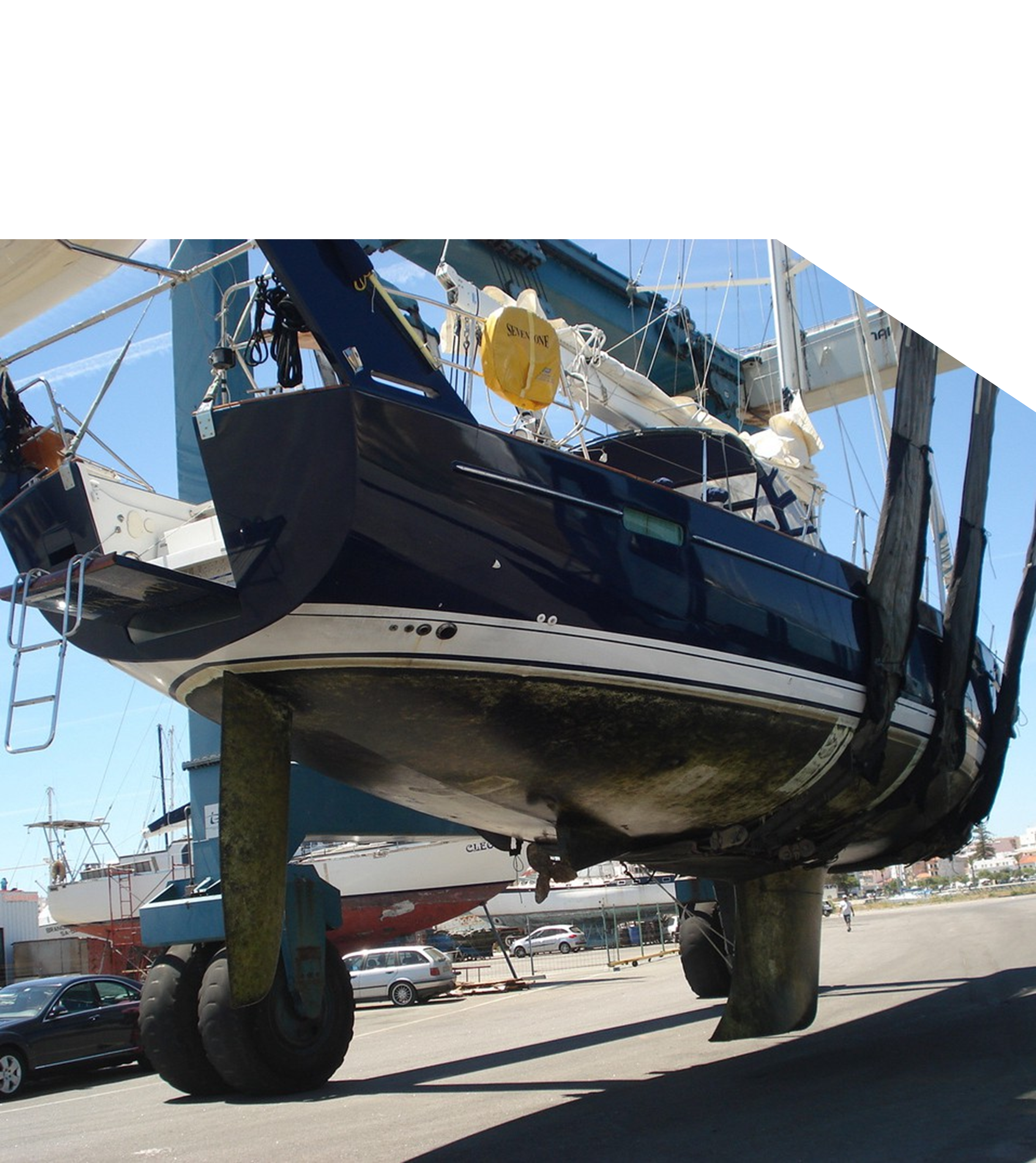
A boat with slime growing along the waterline gives a bad impression to potential buyers. If you haven’t used the boat in a while, the slime will build up and make the boat look unsightly.Clean the slime off the hull at a boat ramp or even using a broom or brush. If the boat is out of the water, it’s a good idea to apply just one coat of antifouling to improve the hull’s appearance. It’s also important to clean the drive systems (mast, sail-drive, shaft) and the propeller.
MINOR REPAIRS
A buyer’s first impression is the most important one! Small tears in the covers, scorched plastic on the hoods, stains on the upholstery, and other imperfections that may sometimes seem minor to the seller… but they’re not. All these minor repairs should be made before putting your boat up for sale. These small details will have a huge impact on the buyer’s first impression.
DOCUMENTATION
All buyers like to know the boat’s history. The more information they have access to, the better. Prepare and organize all the boat’s documentation, including the registration, lighthouse fee receipt, station license, and information regarding the boat’s maintenance, such as invoices and maintenance records. All buyers will want to know the boat’s history, how many owners it has had, the engine’s hours, and the date of the last service. They’ll also want to know the dates of the last antifouling treatment on the hull and the last time the sacrificial anodes were replaced. Also keep in mind other details, such as the document showing the date of the last liferaft inspection, the EPIRB expiration date, etc. If the buyer finds all this information organized, they’ll feel much more confident about moving forward with the purchase of your boat. It’s important to compile all this information into a file that’s easy to consult.
Subscribe to our newsletter
Tips
Tips
Tips
Tips
Tips
Tips