Grupo Siroco
Your Boat Expert
Choose from our exclusive brands: Lagoon, Jeanneau, and Excess.
Browse through the thousands of boating products we have for you.
A professional technical team dedicated to ensuring that you always sail safely.
Sign up for our exclusive events and stay up to date on the latest news in the boating world.
Choose from our exclusive brands: Lagoon, Jeanneau, and Excess.
Browse through the thousands of boating products we have for you.
A professional technical team dedicated to ensuring that you always sail safely.
Sign up for our exclusive events and stay up to date on the latest news in the boating world.
Tips
The Top 10 Tips for Maintaining Your Boat
Grupo Siroco
Your Boat Expert
In the wonderful world of recreational boating, few things compare to the pleasure of sailing on calm waters and enjoying moments of peace and fun. However, to ensure that your experience at sea is always positive, it’s essential to keep your boat in good condition. We’ve selected the top 10 steps to keep your recreational boat well-maintained, ensuring its safety and longevity. Follow these tips and make the most of your boating trips!
The pre-sailing inspection ensures the safety of the crew and the efficiency of onboard operations.
One of the key steps in the pre-sailing inspection is checking the hull, deck, and mast. It is essential to examine the vessel’s physical structure for any type of damage, such as cracks, corrosion, or other deformations. In addition, it is necessary to verify that hatches, doors, and openings are in perfect working order, ensuring the hull remains watertight. It is also important to assess the integrity of the mast, checking for excessive wear or structural defects.
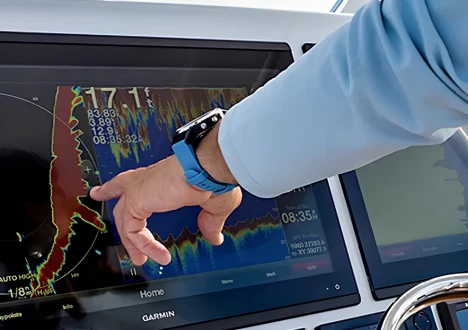
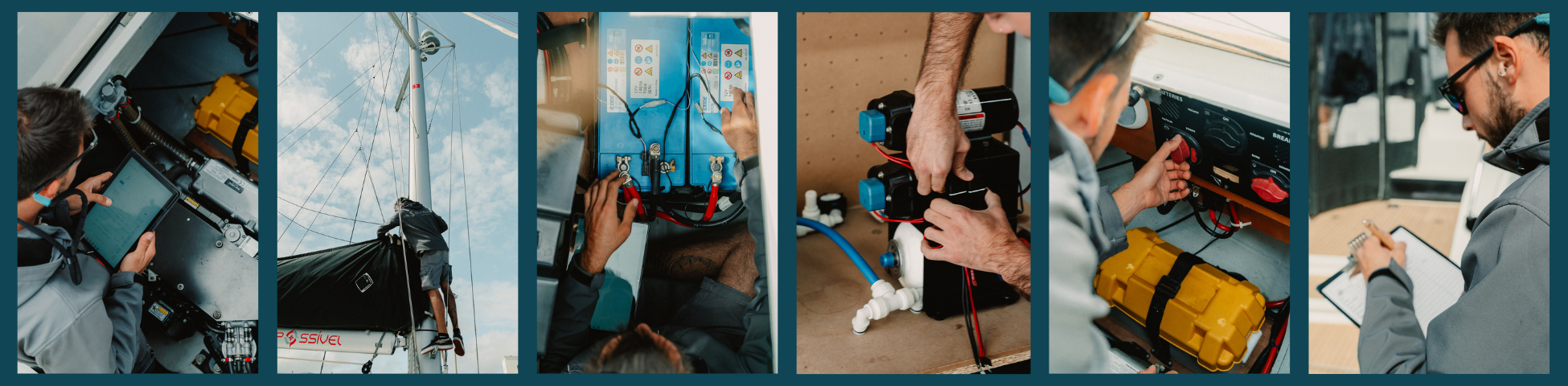
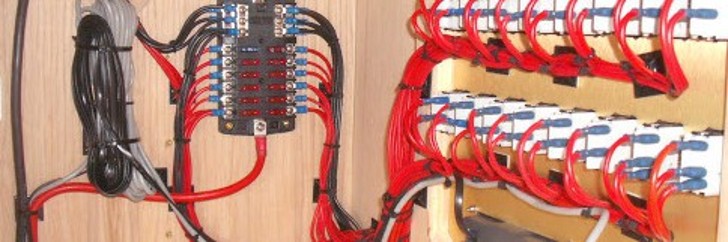
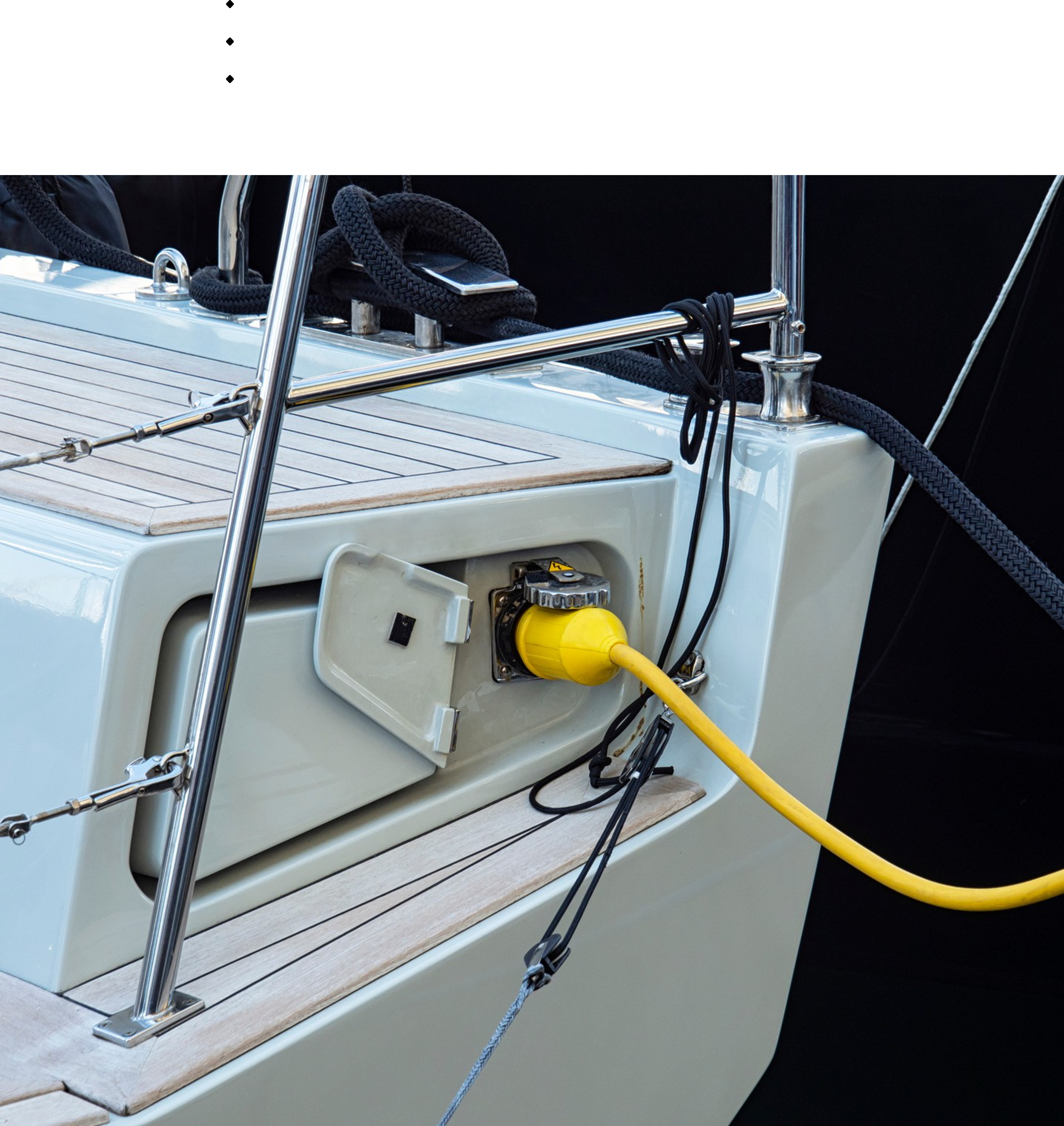
Another area to inspect is the vessel’s electrical and electronic systems. The proper installation and operation of electrical equipment—such as navigation lights, bilge pumps, and the radio, among others—are fundamental to safety on board. In addition, it is necessary to verify that electronic systems—such as GPS, radar, and communication devices—are operating correctly, as they are essential for safe and accurate navigation.
Inspecting the fuel and water systems is also of the utmost importance. Checking that fuel tanks are adequately filled and free of leaks is essential to prevent problems during navigation. Similarly, inspecting the drinking water and engine cooling water systems is crucial to ensure an adequate supply and prevent damage to the vessel.
Finally, it is necessary to verify that all mandatory safety equipment is on board and in perfect working order. Equipment such as life jackets, buoys, fire extinguishers, and signal devices, among others, must be inspected regularly to ensure they are in proper condition for use in an emergency.
The pre-sailing inspection is an essential activity to ensure the safety and efficiency of operations on board a vessel. It is the responsibility of the captain or vessel owner to perform the appropriate checks on the hull, deck, and mast, as well as the electrical and electronic systems, fuel and water systems, and safety equipment. By conducting this inspection carefully and thoroughly, it is possible to identify potential problems before they become serious and ensure safe and smooth navigation.
Keeping your boat clean and protected are key to ensuring its durability and proper functioning.
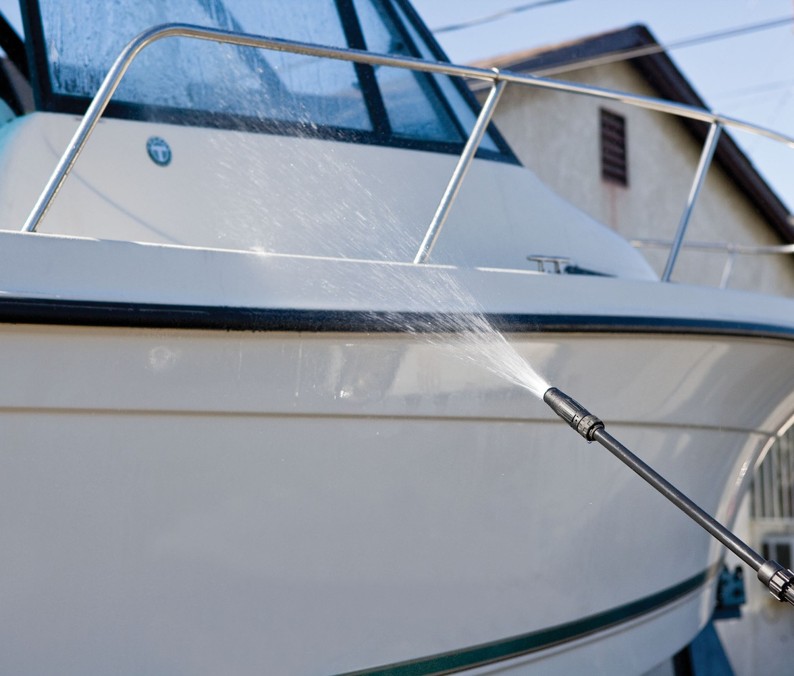
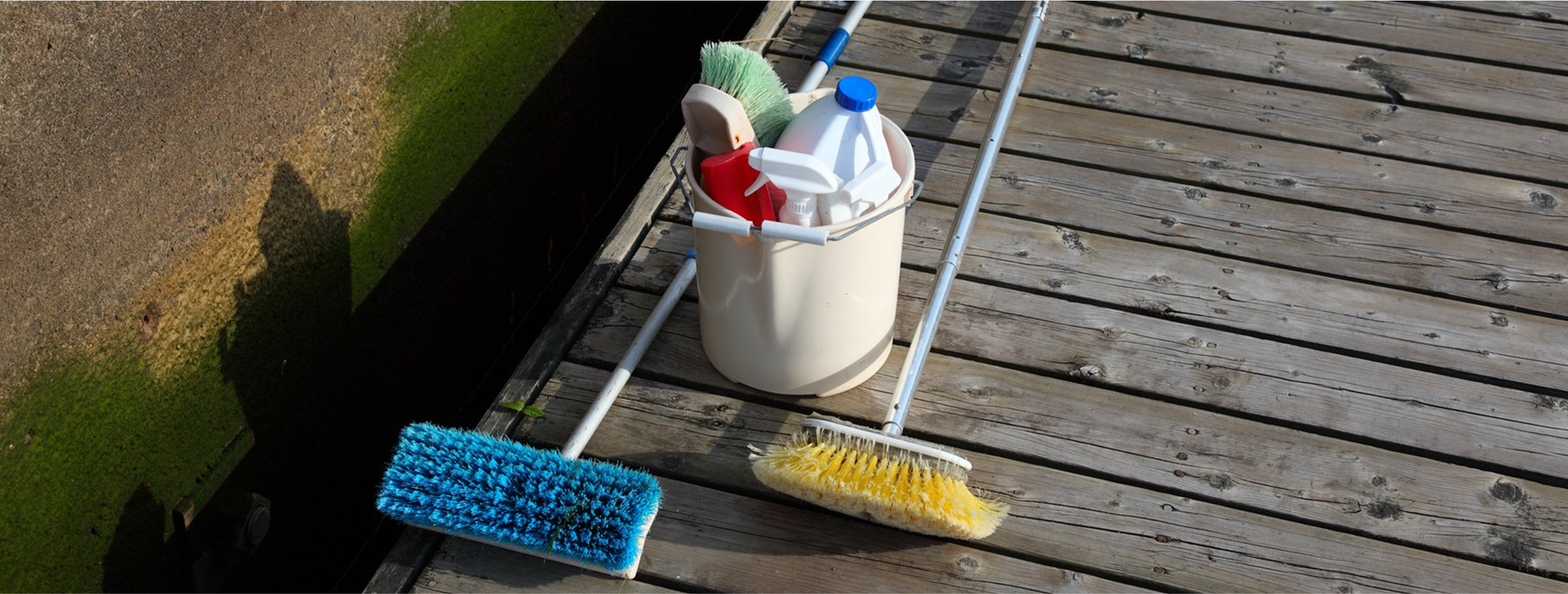
Regular cleaning of the hull is essential to prevent the buildup of fouling, such as algae, crustaceans, and mollusks, which can compromise the boat’s performance. The layer of dirt accumulated on the hull causes friction and increases fuel consumption. In addition, fouling can damage the hull by corroding it over time. To clean the hull, follow these steps:
1 - Rinse the hull with water to remove loose dirt;
2 - Use a soft brush and a detergent specifically designed for cleaning boats;
3 - Carefully remove the buildup, taking care not to scratch or damage the hull;
4 - Rinse the hull thoroughly to remove any detergent residue;
5 - For added protection, it is recommended to apply a coat of sealant or wax specifically designed for boat hulls.
Protection Against Sun Exposure and Sea Air: Care for Paint and Varnish.
Exposure to the sun and salt air can be harmful to your boat’s paint and varnish. UV rays can fade and damage the paint, while salt air can corrode and deteriorate the varnish. To protect the paint and varnish, follow the tips below:
1 - Wash the boat regularly to remove accumulated dirt and salt;
2 - Apply a sunscreen or protective wax specifically designed for boats to prevent the paint from fading;
3 - Perform periodic varnish maintenance, applying a new coat when necessary;
4 - Protect the boat’s plastic and rubber parts with appropriate products to prevent them from drying out or wearing down.
Cleaning the Upholstery and Interior Equipment:
In addition to cleaning the hull, it is also important to keep the boat’s upholstery and interior equipment clean and well-maintained. This contributes to passenger comfort and extends the useful life of these items. To clean upholstery and interior equipment, follow these guidelines:
1 - Use a soft brush and mild detergent to remove dirt from the upholstery;
2 - If possible, remove the upholstery for a more thorough cleaning;
3 - Rinse the upholstery thoroughly to remove all detergent and let it dry completely before reinstalling it;
4 - For electronic equipment, use a soft, damp cloth to remove dirt. Avoid using harsh chemicals;
5 - Regularly check the internal components to ensure they are functioning properly and perform any necessary maintenance.
Regular engine maintenance is essential to ensure proper operation and extend the boat’s service life
Change the oil and filters regularly: Engine oil is responsible for lubricating and cleaning the engine’s internal parts. Over time, it deteriorates and loses its effectiveness. Therefore, it is essential to change the oil according to the manufacturer’s recommendations, whether based on mileage or a set schedule. In addition to oil changes, it is also important to regularly replace the oil, air, and fuel filters. Filters are designed to trap impurities and protect the engine from damage.
Checking the Cooling and Lubrication Systems: The cooling system is designed to keep the engine temperature within optimal operating limits. To ensure this, it is important to regularly check the coolant level and the condition of the system’s hoses and valves.
In addition, you should pay attention to the lubrication of the engine’s moving parts. Regularly check the level and quality of the lubricant, topping it off or changing it as needed, in accordance with the manufacturer’s recommendations. This prevents premature wear on parts and reduces the risk of the engine overheating.
Battery and Ignition System Care: Batteries are responsible for supplying electrical power to operate the boat. It is important to regularly check the condition of the battery, performing any necessary cleaning and maintenance. In addition, check the cables and electrical connections to ensure there is no wear or poor contact.
The ignition system is responsible for starting the engine. Therefore, it is essential to periodically check the spark plugs and replace them when necessary. It is also important to adjust the ignition timing to ensure proper and efficient combustion.
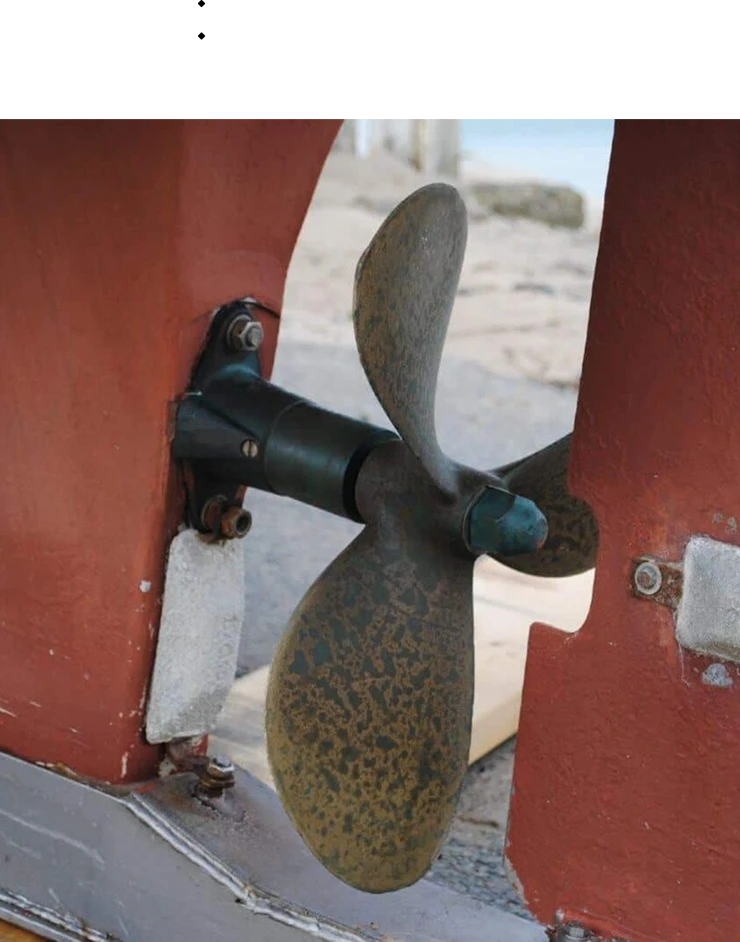
The zinc anode plays a crucial role in the maintenance and protection of boats and is essential for preventing the effects of corrosion.
The function of the zinc anode on vessels is closely related to corrosion protection. When a boat is placed in the water, an electrochemical process known as galvanic corrosion occurs. This corrosion occurs due to the potential difference between the various metallic materials present on the vessel, such as steel, aluminum, and bronze.
The zinc anode acts as an electrochemical sacrificial anode; that is, it will corrode preferentially compared to the other metals present on the vessel. This occurs because zinc is a more active metal; that is, it has a higher electrochemical reactivity compared to steel, aluminum, and bronze. The zinc anode thus acts as a kind of protective shield, absorbing the corrosion process and preserving the vessel’s other metallic materials.
Choosing the right zinc anode is essential to ensuring the effectiveness of this protective process. The selection of the anode takes into account several factors, such as the size and type of vessel, the hull material, the water in which the vessel will be used (freshwater or saltwater), and the system’s electrical load.
For larger vessels, for example, it is necessary to use larger zinc anodes, since the protected area will be larger. In addition, it is important to consider the location of the anodes, ensuring that they are properly positioned to protect the vessel’s most critical areas. It is also recommended to consult a specialist for guidance on choosing the most appropriate anode for each situation.
Periodic inspection and replacement of the zinc anode are also essential to ensure effective protection. Since zinc is a consumable metal, it will corrode over time, losing its protective capacity. For this reason, regular inspections are necessary to check their condition.
It is recommended that this check be performed every six months or after a period of intensive use of the vessel. If it is found that the anode is corroded or worn beyond a certain limit, it is important to replace it immediately. Neglecting to replace the zinc anode periodically can result in serious damage to the vessel’s other metal components.
Propulsion System
Proper maintenance of propellers and shafts is essential to ensuring a boat’s performance and safety.
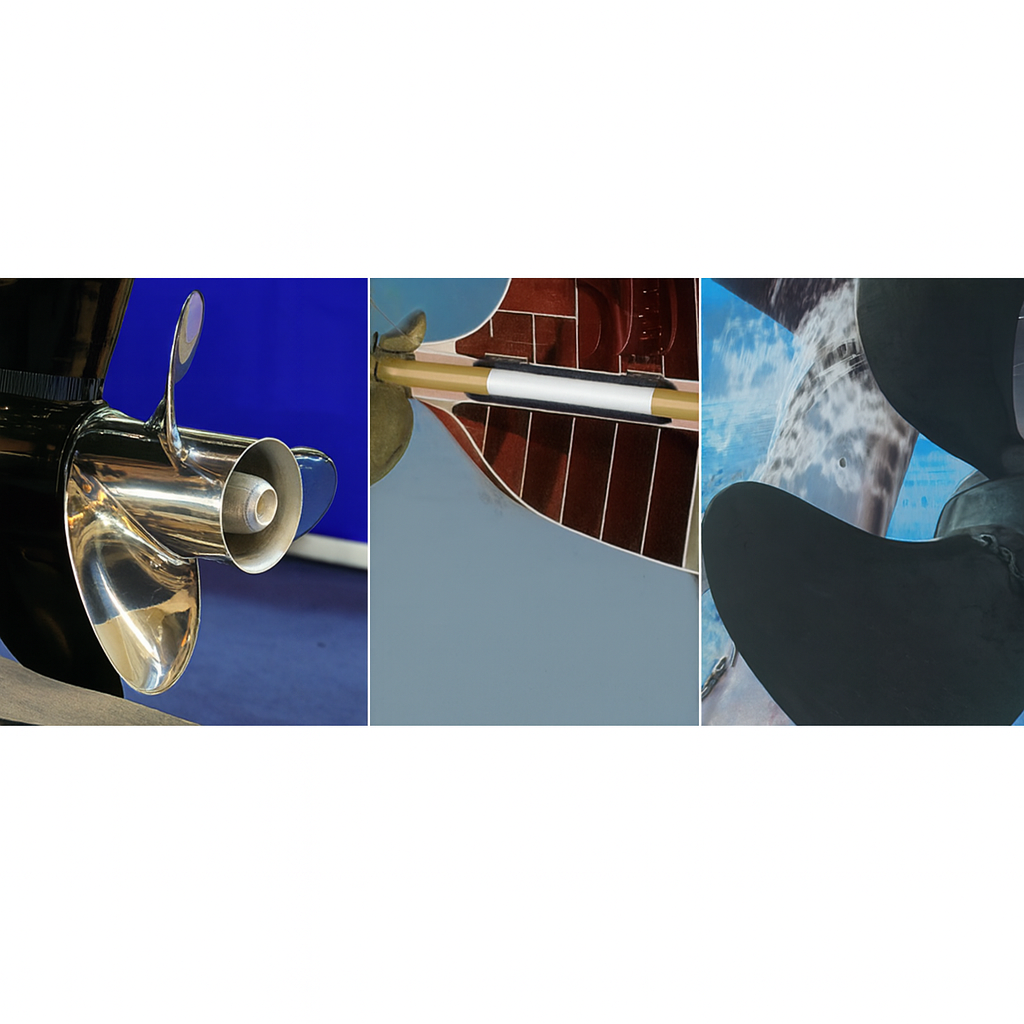
Checking the alignment and adjustment of the propulsion system is the first step in ensuring that the propellers and shafts are correctly positioned. Improper alignment can cause excessive vibration and increase wear on parts, in addition to compromising engine efficiency. To check alignment, it is recommended to use specific tools, such as a laser alignment indicator, which measures the precision of the alignment between the engine shaft and the propeller. If any misalignment is detected, the necessary adjustments must be made to correct the problem.
Proper cleaning of propellers and shafts is essential to prevent the buildup of dirt, debris, and fouling, which can impair the boat’s performance. It is recommended to regularly clean the propellers and shafts with fresh water to remove any adhered residue. In cases of more stubborn buildup, it may be necessary to use specific buildup-removal products or even seek professional underwater cleaning services. In addition to cleaning, it is important to ensure proper lubrication of the propellers and shafts. To do this, it is recommended to use lubricating grease or specialized lubricating oil, applied according to the manufacturer’s specifications.
Periodic inspection for wear and damage is a fundamental step in propeller and shaft maintenance. During this inspection, it is important to check for excessive play, abnormal wear, or visible damage to the parts. Failure to pay attention to these signs can result in malfunction, increased fuel consumption, and even accidents. If damaged or worn parts are found, it is essential to replace them promptly. It is recommended to use original replacement parts or parts of equivalent quality to ensure the proper performance of the propulsion system.
Electrical System
The electrical system is a crucial part of a recreational boat, ensuring the proper operation of various onboard equipment and systems. In this chapter, we will cover three important subtopics related to the electrical system: checking the electrical panels, maintaining the batteries and charging system, and caring for electrical cables and connections.
Checking the Operation of Electrical Panels:
Electrical panels are responsible for controlling and distributing electrical power throughout the vessel. It is essential to perform periodic checks to ensure they are functioning correctly and safely. Follow these guidelines for a proper inspection:
1 - First, turn off the main power supply before beginning any inspection of the panels. This will ensure your safety and prevent overloads;
2 - Perform a visual inspection of the panels, checking for signs of wear, loose wires, or damaged connections. If any problems are identified, arrange for the necessary repairs;
3 - Next, test all switches and circuit breakers. Make sure they are functioning properly by turning the corresponding circuits on and off;
4 - Check that the voltage and current indicators are operating correctly and displaying the information clearly.
Battery and Charging System Maintenance:
The batteries and charging system are crucial for ensuring the vessel’s power supply. It is essential to keep these components in optimal condition. Here are some important tips for their proper maintenance:
1 - Check the condition of the batteries regularly; make sure they are securely fastened, clean, and show no signs of corrosion. Clean the battery terminals with a solution of water and baking soda to remove any corrosion buildup;
2 - Perform periodic battery load tests, especially before embarking on longer trips. Check that the batteries hold their charge properly and that voltage levels are adequate;
3 - Check the connections in the charging system, such as cables, terminals, and fuses. Make sure they are tight and show no signs of corrosion.
4 - Always keep the batteries charged, avoiding complete discharge. This will extend their service life and prevent problems with the operation of onboard electrical equipment.
Care for Electrical Cables and Connections:
Electrical cables and connections are responsible for safely and efficiently transmitting electrical power. It is essential to take the necessary precautions to prevent connection problems or short circuits. Consider the following recommendations:
1 - Visually inspect all cables and connections regularly. Look for any frayed cables, damaged connectors, or signs of overheating. Replace any defective components immediately;
2 - Always use cables suitable for the amperage and voltage required by the equipment. Avoid overloading cables with loads beyond their capacity. Consult the manufacturer’s specifications to ensure proper cable use;
3 - When connecting and disconnecting electrical cables, make sure they are properly insulated. Avoid touching cable terminals or connections without adequate protection to prevent electric shock;
4 - Make sure that all cables and wires are properly insulated and protected against potential damage caused by friction or external factors, such as saltwater.
Water and Sewage System
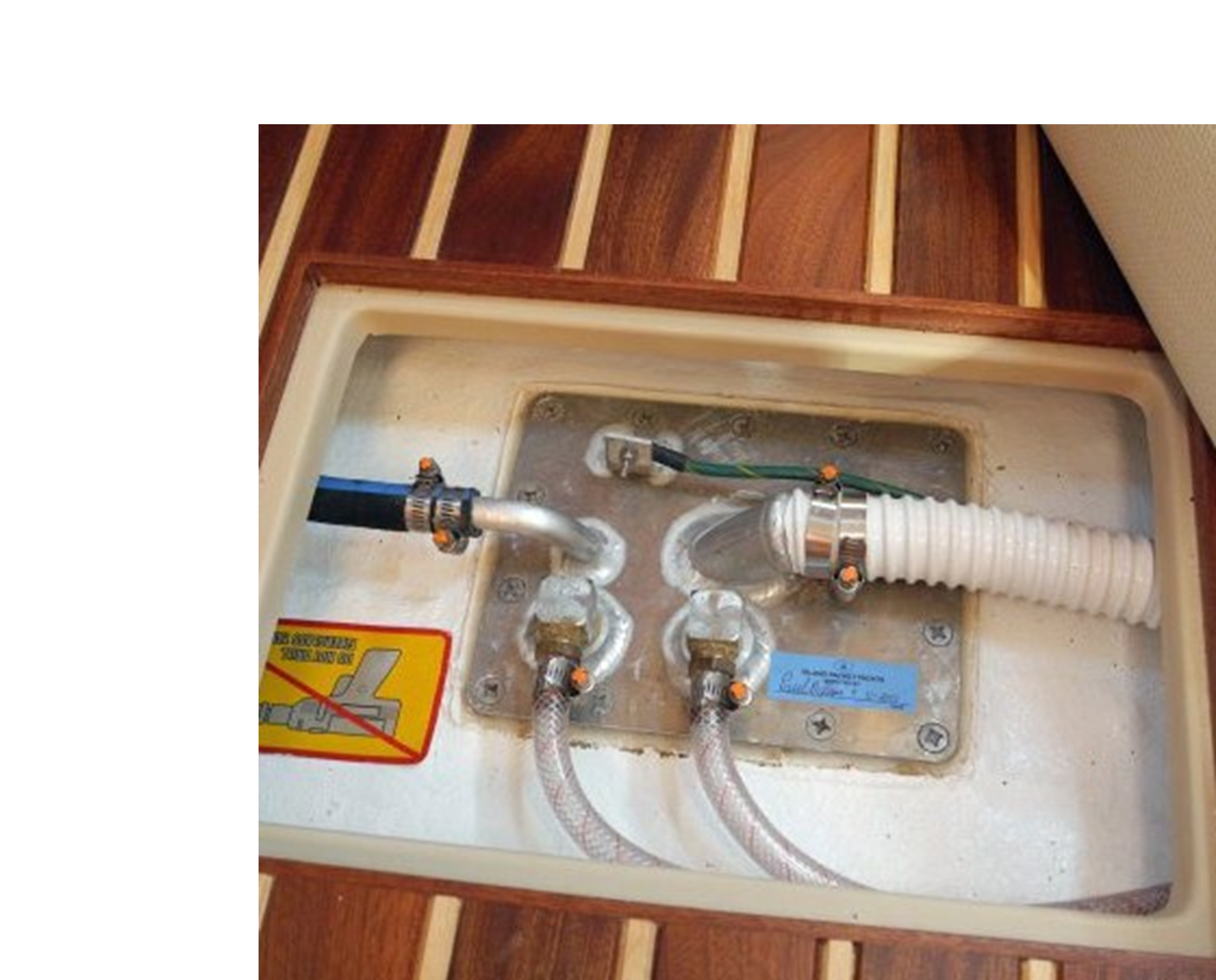
Water is an essential resource on board, both for human consumption and for other needs, such as cooking and cleaning. On the other hand, the sewage system plays a crucial role in ensuring the hygiene and health of the crew. Therefore, it is essential to understand and implement the correct maintenance practices for these systems.
1. Cleaning and Disinfecting Water Tanks:
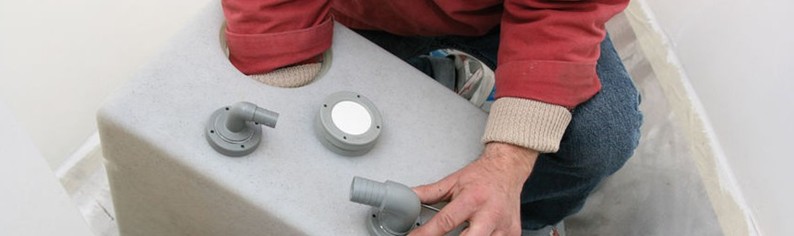
The water tanks on board are responsible for storing and supplying water for use in various activities. It is essential to keep these tanks clean and disinfected to ensure water quality and prevent contamination.
1.1. Cleaning water tanks:
Regular cleaning of water tanks prevents the buildup of sediment, mineral deposits, and the development of biofilm. Follow these steps to properly clean the water tanks:
1 - Completely empty the water tanks;
2 - Remove any visible sediment or dirt from the tanks using a soft brush;
3 - Rinse the tanks with clean water to remove any loose residue;
4 - Use a disinfectant suitable for water tanks to disinfect and remove any remaining bacteria;
5 - Rinse the tanks again with clean water several times to ensure that any disinfectant residue is completely removed.
Inspection and Maintenance of Water and Sewage Pumps:
Water and sewage pumps play a crucial role in distributing water on board and efficiently disposing of waste. To ensure these pumps function properly, it is important to perform regular inspections and preventive maintenance.
1.1. Inspection of water and sewage pumps:
1 - Visually inspect the water and sewage pumps regularly for signs of wear, damage, or leaks;
2 - Make sure the pumps’ electrical connections are secure and show no signs of corrosion;
3 - Test the water and sewage pumps regularly to ensure they are functioning properly.
1.2. Maintenance of water and sewage pumps:
1 - Follow the manufacturer’s specific instructions for regular pump maintenance;
2 - Lubricate the moving parts of the pumps in accordance with the manufacturer’s recommendations;
3 - Clean the suction filters regularly to prevent clogs;
4 - Replace any parts that show signs of wear or are damaged as needed
Sail Inspection and Maintenance
One of the key aspects to evaluate when inspecting the sails of a recreational boat is wear and the presence of tears. Sails are constantly exposed to harsh conditions—wind, sun, and rain—which can damage their fabric and compromise their efficiency.
During the inspection, it is important to check for visible wear in the areas most exposed to the elements, such as the leech, the windward edge, and the seams of the sails. Look for signs of excessive wear, such as loose threads, holes, or discolored areas. In addition, it is important to check for tears in the sail fabric, whether on the mainsail, the genoa, or other headsails.
Replacement and Proper Maintenance:
If significant wear or tears are identified in the sails during the inspection, it is essential to replace or repair them properly. Excessive wear reduces the sail’s efficiency, compromising the boat’s performance and increasing the risk of more serious damage.
Sails should be replaced when it is no longer possible to restore their shape and performance through repairs. In some cases, minor repairs can be made, such as replacing damaged seams or applying patches to torn areas. However, it is important to note that these temporary solutions should only be used as an emergency measure, as they do not guarantee the same quality and durability as a new sail.
It is recommended that sail replacement or maintenance be performed by specialized professionals who have the technical knowledge necessary to carry out repairs properly. Additionally, it is important to use high-quality materials and follow the manufacturer’s recommendations to ensure the sails’ durability and performance.
Lubrication of Cables
Lubricating cables and maintaining control systems are essential for ensuring the proper performance and safety of a recreational vessel. Worn, poorly lubricated, or malfunctioning cables can compromise maneuvering efficiency and control of the vessel, as well as pose a risk to the crew.
Regular lubrication to prevent excessive wear:
Cables used on recreational boats are subject to high levels of tension and friction during maneuvers. These constant stresses can lead to excessive wear on the cables, compromising their strength and durability. Therefore, it is essential to lubricate them regularly to minimize friction and extend the ropes’ service life. Lubrication should be performed using products specifically designed for marine ropes, which offer protection against corrosion and reduce friction. It is important to follow the manufacturer’s instructions regarding lubrication frequency and proper application techniques. Additionally, it is recommended to use a high-quality grease that is compatible with the marine environment and resistant to corrosive agents, such as saltwater.
Proper Handling and Storage of Cables:
Proper handling of cables is essential to prevent damage and extend their service life. During handling, it is important to avoid twisting or bending the cables excessively, as this can compromise their structural integrity. When pulling or releasing the cable, it is recommended to do so gently and gradually, avoiding sudden movements that could cause breakage or premature wear. In addition, it is essential to store cables properly when they are not in use. They should be kept in a clean, dry area protected from direct sunlight to prevent damage caused by exposure to the elements. Storing them on reels or in appropriate holders also helps prevent tangling and unnecessary wear.
Periodic Inspection of Cables and Control Systems:
Even with regular lubrication and proper handling, it is necessary to conduct periodic inspections of cables and control systems to identify potential problems before they become critical. During inspections, it is important to check whether the cables show excessive wear, damage, deformation, or corrosion. It is also necessary to check the proper slack or tension of the cables and the efficiency of the control systems. If problems are found, it is essential to take corrective action immediately by replacing damaged cables or adjusting the control systems. Conducting these inspections regularly contributes to the vessel’s safety and helps prevent accidents.
Proper Storage
Proper storage of your recreational boat is essential to keeping it in top condition over time. In this chapter, we’ll cover three important subtopics: protection from the elements, maintaining trailer tire pressure (if applicable), and preparing the boat for extended periods out of the water.
Weather protection:
Harsh weather conditions can cause significant damage to your boat if it is not properly protected. Prolonged exposure to sun, rain, snow, and wind can affect the paint, finishes, and even the boat’s internal components. To protect your boat, consider the following measures:
1 - If possible, store your boat in a covered structure, such as a garage. This will provide an additional layer of protection against the elements;
2 - If a covered structure is not available, consider purchasing a protective cover for your boat. Make sure the cover fits your boat’s dimensions and is made of a durable, waterproof material;
3 - If your boat is exposed to the sun for long periods, invest in boat-specific sunscreen products. These products help prevent paint from fading and materials exposed to UV rays from deteriorating.
Preparing Your Boat for Extended Periods Out of the Water:
If you plan to store your boat out of the water for an extended period, follow these tips to keep it in good condition:
1 - Clean and wash your boat thoroughly to remove any dirt, debris, or marine organisms that could cause corrosion or damage;
2 - Conduct a thorough inspection of the boat’s exterior for cracks, dents, or any other damage. Make any necessary repairs before storing the boat;
3 - Check the boat’s electrical and mechanical systems to ensure they are functioning properly. Replace or repair any damaged components;
4 - Remove perishable food and valuables from the boat to prevent damage and loss;
5 - Apply a protective cover or protective wax to the fiberglass, paint, and other exposed materials.
By following these guidelines for proper care and storage, you will ensure the longevity of your recreational boat. Always be sure to consult the owner’s manual and follow the manufacturer’s specific recommendations for each boat.
Subscribe to our newsletter
Tips
Tips
Tips
Tips
Tips
Tips

![w-full aspect-[430/568]](https://gruposiroco.com/media/pages/blog/manutencao-geral-da-sua-embarcacao/70d880b3da-1783672825/barco-revisao-430x568-crop.webp)
![w-full aspect-[740/534]](https://gruposiroco.com/media/pages/blog/manutencao-geral-da-sua-embarcacao/3fc89f5ddd-1783672825/manutencao-casco-740x534-crop.webp)
![w-full aspect-[430/568]](https://gruposiroco.com/media/pages/blog/manutencao-geral-da-sua-embarcacao/5557c4a453-1783672818/subsituicao-zincos-430x568-crop.webp)
![w-full aspect-[740/534]](https://gruposiroco.com/media/pages/blog/manutencao-geral-da-sua-embarcacao/5e754d2e23-1783672836/anodos3-740x534-crop.webp)

![w-full aspect-[430/568]](https://gruposiroco.com/media/pages/blog/manutencao-geral-da-sua-embarcacao/a4a57ea8e5-1783672813/velas-2-430x568-crop.webp)
![w-full aspect-[740/534]](https://gruposiroco.com/media/pages/blog/manutencao-geral-da-sua-embarcacao/736a63ae5d-1783672816/velas-3-740x534-crop.webp)